Movement
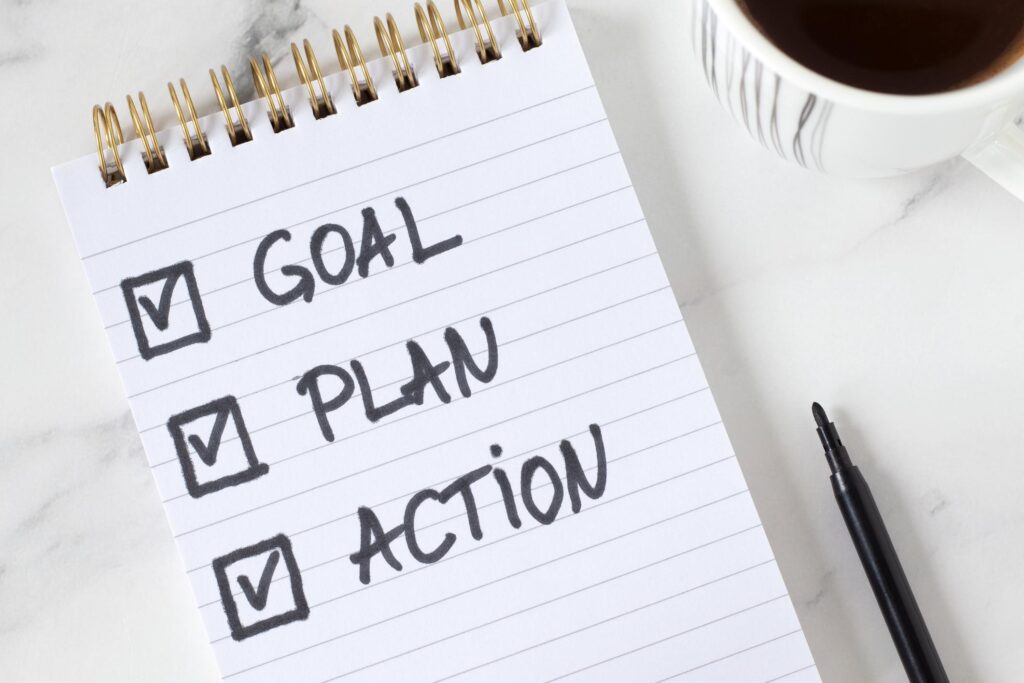
How I approach exercise now
The foundation of my week is simple: I set minimum movement goals and treat them like work appointments. They get booked into my calendar and protected the same way a meeting would be.
Last year, I left a job that didn’t allow consistent or proper breaks during the day. I burned out hard. Since then, I’ve been in a rebuilding phase — listening more closely to my body, paying attention to patterns, and planning with the long game in mind.
I now structure my workouts in 12-week segments. Within those segments, I focus on consistency over intensity and keep things realistic.
Most of my workouts are:
20–30 minutes
done over my lunch break
designed to be repeatable week after week
Daily Movement
I’ve learned that daily movement goes a long way — but it doesn’t look the way it used to.
I’m in my 40s now, and most things move with a crack or a pop. I’m less spry Gumby and more Tin Man on a good day. That reality has shaped how I think about exercise. Movement still matters, but how I do it — and how I recover — matters just as much.
This section is about movement that fits real life, real bodies, and changing limits.
The bigger picture
Movement, for me, isn’t about peak performance. It’s about staying capable, rebuilding trust with my body, and making choices that hold up over time.
This section is where I share what that looks like in practice — routines, reflections, and adjustments that help me keep moving forward without burning out or breaking down.

Cubicle workouts (yes, really)
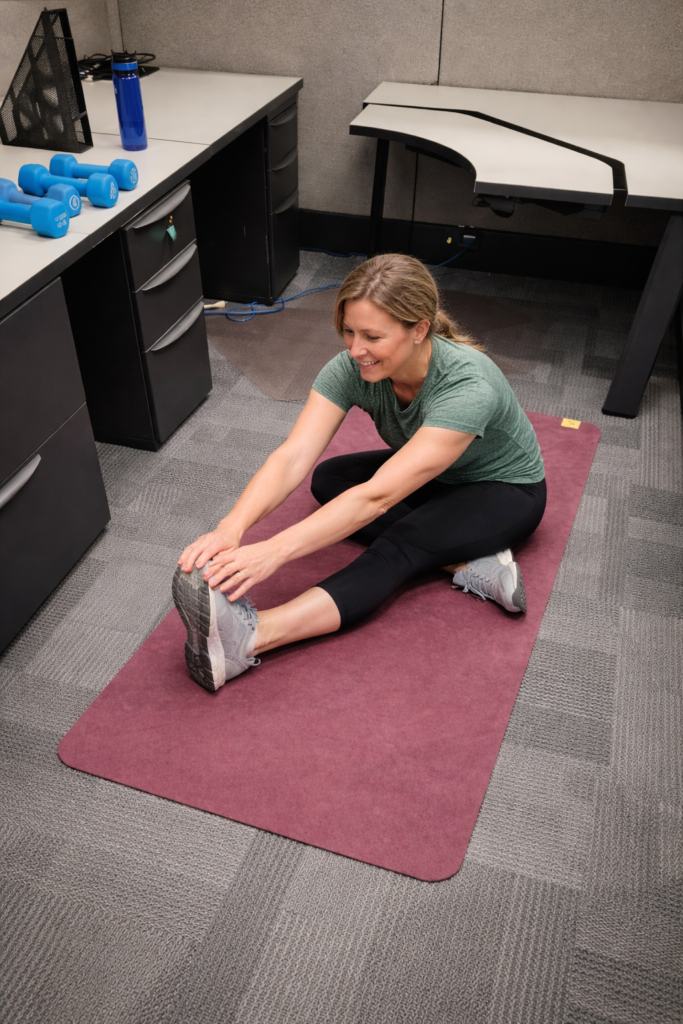
One of the things I’m developing right now is a set of cubicle workouts — routines that can be done:
in a cubicle
in an empty office
or in any small, quiet space
All I need are:
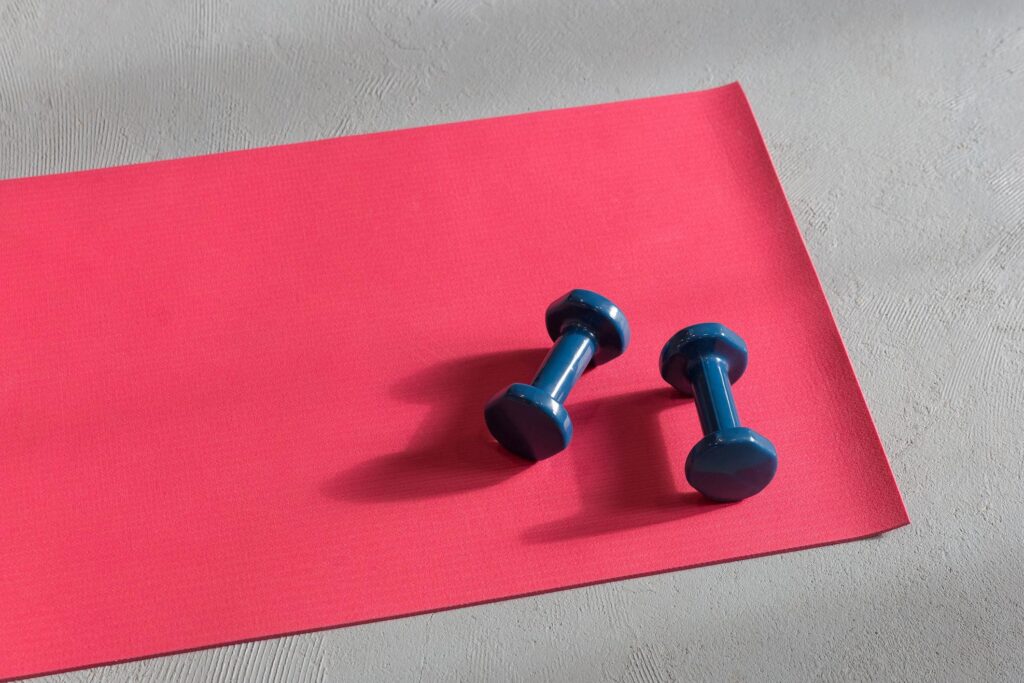
5–15 lb dumbbells
a yoga mat
very little room
I rotate through:
upper body
lower body
core
full-body workouts
This keeps things balanced and prevents overloading any one area.
Where back health fits in
There are weeks when my back goes south on me — and that’s part of my reality.
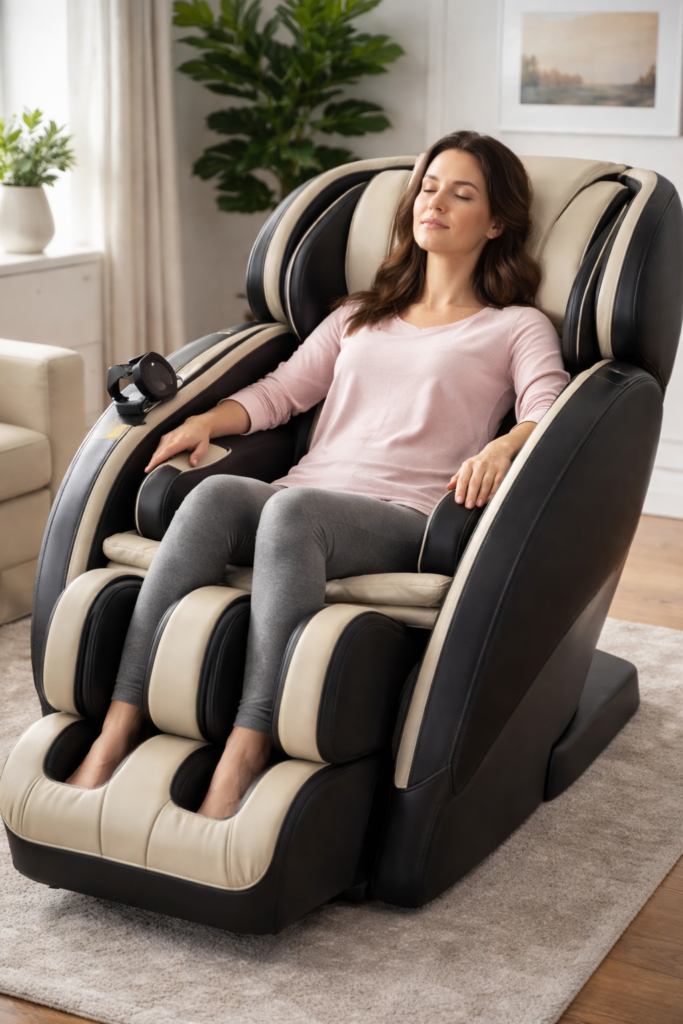
When I notice early warning signs, I shift into preventative mode. That means:
pulling back on intensity
focusing on daily support routines
choosing movement that calms instead of challenges
There are specific things I do every day to help me keep exercising without triggering a setback. Movement doesn’t stop — it adapts.
Learning that difference changed everything.
Weights over cardio (with walking layered in)
One of the biggest shifts for me has been prioritizing weights over cardio.
Strength training has made the biggest difference in:
building muscle
supporting my back
weight loss
overall quality of life
I still walk — a lot. Short walks during my 15-minute breaks throughout the day add up, support recovery, and keep me moving without pushing too hard.
That combination has been far more sustainable than chasing cardio alone.
No posts found!